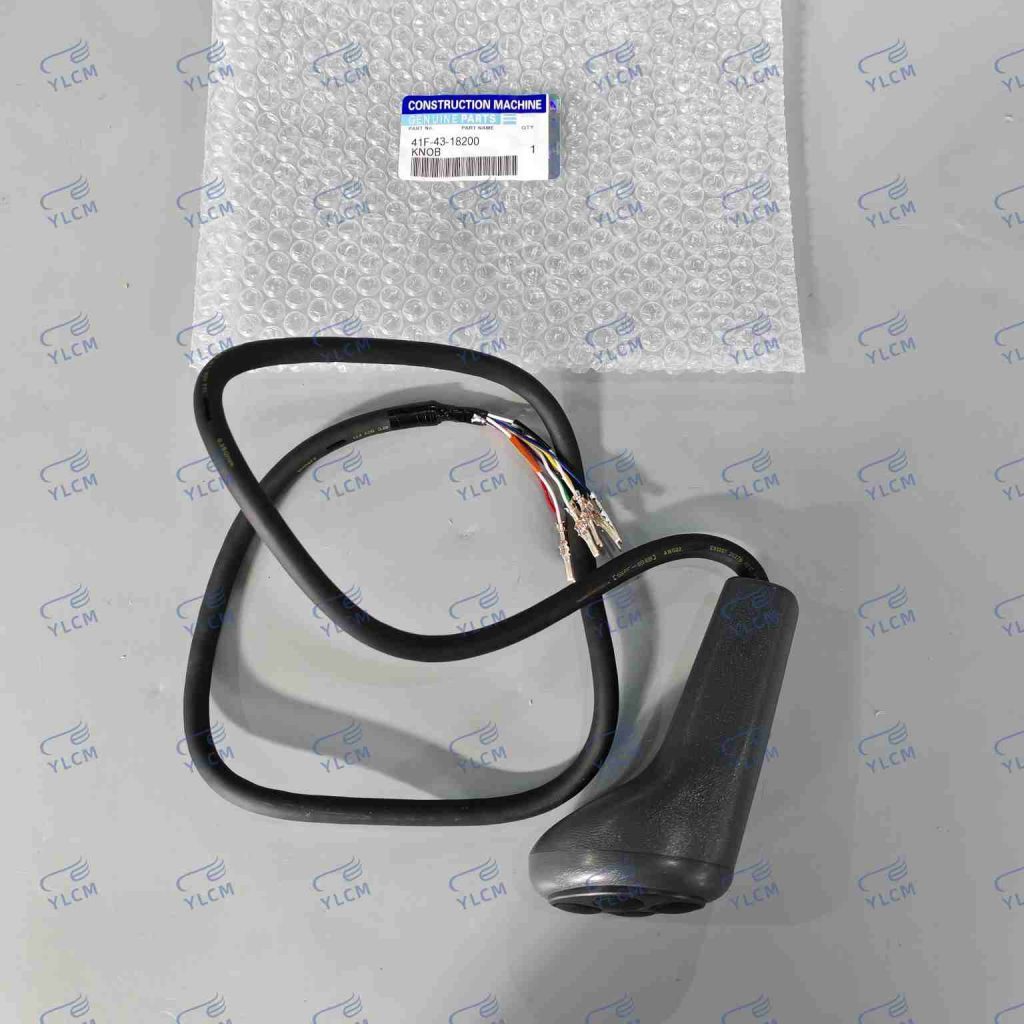
Locating the appropriate heavy equipment parts can be the difficult task for any mechanics technician. Our guide provides a detailed look at strategies for sourcing genuine spare heavy equipment parts. Think about aspects like OEM compatibility , availability , price , and logistics times to ensure the maintenance team receive accurately what your machine needs. Don't settling for inferior alternatives – investing in top-notch heavy equipment parts will extend your fleet's lifespan and reduce downtime .
Heavy Equipment Parts : Improving Uptime & Reducing Expenses
Maintaining a fleet of construction equipment demands a proactive approach to heavy equipment parts management. Unplanned malfunctions can quickly disrupt project schedules and drive up operational costs . Therefore, focusing on reliable heavy equipment parts, establishing a scheduled maintenance program, and streamlining stock levels are essential to ensuring productivity and limiting total costs. Sourcing original heavy equipment parts can frequently prove more advantageous in the long term due to enhanced reliability and decreased repair frequency.
Essential Heavy Equipment Parts You Must Know
Maintaining your industrial machinery relies heavily on understanding key heavy equipment parts. Regular Heavy Equipment Parts maintenance involves knowing the function of core items like hydraulic hoses, diesel filters, steel treads, and track rollers. Ignoring these essential elements can cause significant downtime and impact efficiency. Familiarizing yourself with these core heavy equipment parts can keep your jobsites running smoothly.
Sourcing Authentic Heavy Equipment Parts: What to Look For
Finding real substitute heavy equipment parts for your large equipment can be a challenge , but ensuring legitimacy is critical . Look for vendors who work with the maker directly, offering verifiable origins . Examine the shipping container for legitimate markings and authenticate part serials against the maker’s system. Beware of suspiciously bargain costs , as they often point to imitation items. Finally, evaluate testimonials from other operators regarding the supplier's reputation and dependability in delivering quality heavy equipment parts.
Replacing Heavy Equipment Parts: A Detailed Guide
When your construction equipment faces malfunctions with specific components, replacing heavy equipment parts is often essential to maintaining productivity . This manual offers a basic phased process for many heavy equipment parts replacements . First, meticulously determine the appropriate part number. Then, gather the needed instruments and safety equipment . Next, remove any hydraulic hoses and securely hoist the failing machinery component. Finally, extract the existing component and place the upgraded one, following the removal actions. Always refer your machinery's specific service document for accurate guidance.
Frequent Heavy Equipment Parts Malfunctions & How to Avoid Them
Many heavy machinery owners face recurring challenges due to premature heavy equipment parts failure . Commonly, hydraulic lines crack due to stress , leading fluid leaks and reduced hydraulic efficiency . Track chains experience damage from rough terrain, while diesel engines can suffer from overheating if maintenance is overlooked . To lessen these problems , regular component inspections are crucial , including checking fluid levels, undercarriage pressure, and screen condition. Proper lubrication of rotating heavy equipment parts, alongside adhering manufacturer recommendations for maintenance , can significantly extend the lifespan of your gear and diminish costly repairs .
The Future of Heavy Equipment Parts: Technology & Innovation
The landscape of heavy equipment parts is undergoing a dramatic shift , fueled by significant technological advancements and pioneering solutions. We’re seeing a transition beyond traditional parts logistics towards more integrated platforms. Artificial intelligence is ready to play a vital role, predicting heavy equipment parts failures before they occur and optimizing maintenance schedules. Furthermore, on-demand fabrication promises custom component production, lowering lead times and improving responsiveness. Expect to see a greater priority on machinery data analytics, allowing technicians to troubleshoot component issues digitally. The future includes:
- Condition-based heavy equipment parts replacement
- Blockchain technology for part verification
- Advanced sensors for continuous component evaluation
- Sustainable parts and recycling practices
This fusion of technologies delivers a productive and consistent future for heavy equipment parts, aiding fleet operators and service providers alike.
Understanding Heavy Equipment Parts Numbers & Compatibility
Navigating the world of substitute heavy equipment parts can be difficult , particularly when seeking to locate the accurate part for your excavator . Understanding heavy equipment parts numbers and undercarriage fit is essential for avoiding costly mistakes and ensuring peak operational function . These part codes are distinct identifiers, often including manufacturer data and detailed component features . Careful research, consulting the operator's manual, or utilizing digital heavy equipment parts directories are suggested steps to confirm accurate component selection and avoid mismatches .
Cost-Effective Solutions for Heavy Equipment Parts
Finding budget-friendly replacement heavy equipment parts for your earthmoving equipment doesn't require a challenging process. Many choices exist to reduce costs without sacrificing reliability. Consider researching rebuilt heavy equipment parts, which often offer considerable savings compared to factory original OEM components . Furthermore, obtaining directly from niche heavy equipment parts suppliers or utilizing B2B websites can often expose even bigger chances for inexpensive component procurement .
Heavy Equipment Parts: Upkeep Advice for Durability
To extend the performance of your critical heavy equipment parts, scheduled checks are crucial. Routine examination of core heavy equipment parts such as cylinders, engine filters, and belts can detect minor issues before they lead to significant overhauls. Be sure to adhere to the OEM's prescribed oiling frequency and use only approved heavy equipment parts for changes. Finally, proper transportation of parts when not in use will prevent damage and contribute to their overall operational lifespan.
Finding the Ideal Suppliers for Your Heavy Equipment Parts Needs
Securing dependable heavy equipment parts for your machinery fleet is essential to preserving operational output. Picking the correct heavy equipment parts suppliers requires meticulous consideration. Review potential vendors based on factors such as component range, pricing , shipping schedules , and customer service . Think about suppliers with a demonstrated track record, strong reputation, and the power to provide quality heavy equipment parts promptly . Don't avoid to request references and compare quotes from various sources before making a ultimate decision .
Specialized Heavy Equipment Parts: A Detailed Overview
Procuring quality heavy equipment parts and earthmoving hardware assemblies requires the grasp of specific requirements. These aren't your common machinery items; they’re vital for the operation of significant machines like wheel loaders and cranes . Obtaining the appropriate replacement heavy equipment parts involves considering elements such as manufacturer compatibility , model code, and composition details . A detailed review of these details ensures minimal downtime and peak machine efficiency . Furthermore, the availability of experienced guidance can be priceless when dealing with these intricate mechanical components.